
Doomscrolling in the Age of Political Change
If you’ve been feeling increasing uncertainty over the last few months or so, you’re not alone. The US is on the verge of a national panic attack. Anxiety is raging in the country because of many situations, not the least of which includes the political furor following the re-election of Donald Trump. Increasing costs of living, an unusual upturn in natural disasters, and fears of international conflict are all throwing gasoline on the fires of worry and stress.
It’s reasonable for all of us to be concerned, but for many of us, natural levels of concern are shading into a fixation on bad news. Bad social media habits aren’t helping.
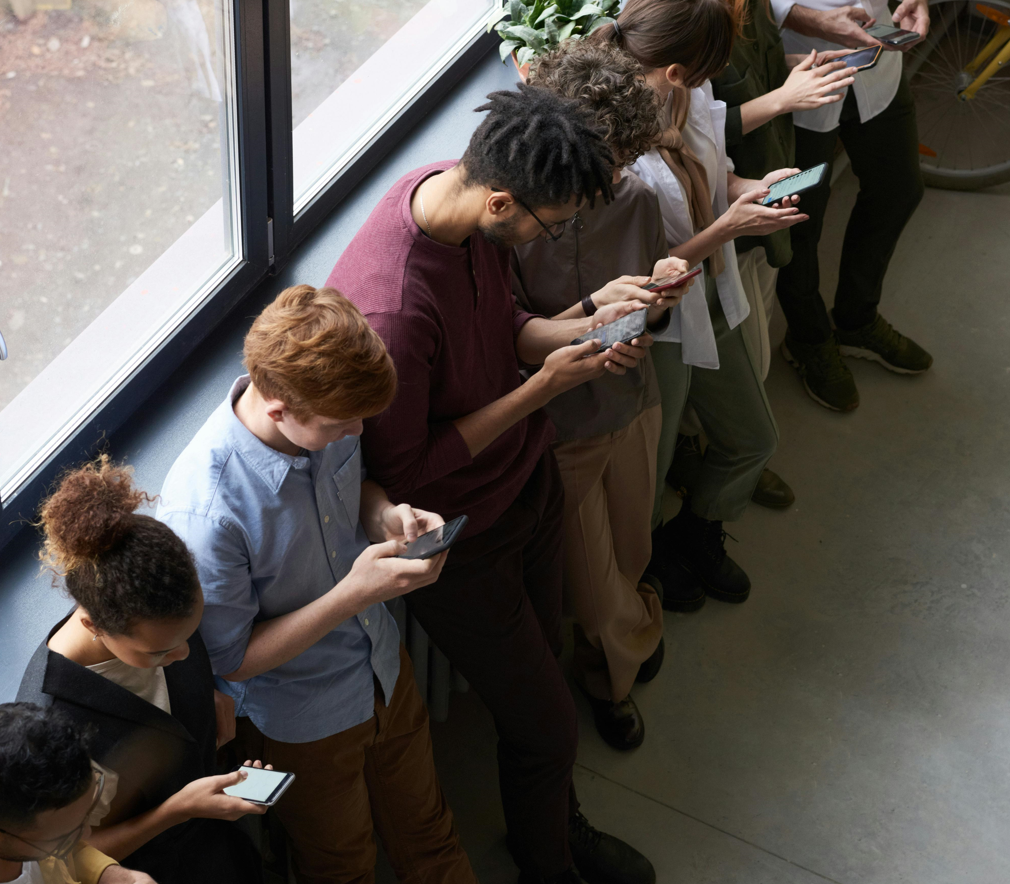
Doomscrolling, endlessly scrolling through negative news online, has become the norm instead of the exception. Even if you haven’t heard of doomscrolling, you may be doing it.
How Does Doomscrolling Start?
Flipping through your news feeds on social media and being exposed to upsetting information isn’t quite the same thing as doomscrolling. A person who’s doomscrolling pays significantly more attention to negative news and comes to seek it out compulsively. Before long, a doomscroller considers only distressing information to be important.
None of this disaster-focused behavior is deliberate. No one sets out to turn themselves into a doomscroller. It happens for a variety of reasons which all people may be vulnerable to.
For instance, there’s the perception that facing our fears makes us stronger, and that’s true. However, the point of confronting what scares us is to diminish its power over us. Doomscrolling does the opposite. People feel less and less capable of coping the more they sift the news for the worst possible information.
Another contributor to focusing on scary events and situations is the idea that forewarned is forearmed. By knowing more about what’s going on, we may feel like we can exert some control over the situation, and that’s often true; the more you know about high-impact situations that may affect you, the more you can do to avoid or soften any blow that might be coming your way.
However, this only works if you really can control a situation. Much of what we see in our social media feeds is not within our ability to control, at least not completely.
Again, the point of making yourself aware of situations that might affect you is to empower yourself to survive and thrive, not scare yourself into passivity.
Finally, fear of missing out—the dreaded FOMO—compels many of us to soak up nightmare fuel from social media simply because everyone we know is likewise acting compulsively.
Doomscrolling and US Politics
National interest in politics has steadily increased since 2016, which would be great…except for all the doomscrolling. The general election of 2024 had a bigger turnout than any other in over a century, and the 2024 election was not far behind. Obviously, the rise of Donald Trump’s star in national politics has roiled the news and continues to do so. Every day there’s a new and potentially life-affecting change or changes coming from the White House and the new disruptor-in-chief.
Naturally, social media latches onto these electric topics and spins them—and never positively. You’ve probably heard “If it bleeds it leads,” and social media is no different. Bad news makes a splash and gets clicks and these days, it’s not just political junkies who take the doomscrolling hit.
Breaking the Doomscrolling Cycle
Doomscrolling can be changed or eliminated, like any other bad habit. These are just a few ways to stop looking for the worst:
● Set and observe boundaries with technology: Don’t try to eliminate all your social media use—going “cold turkey” is a sure way to fail. Instead, moderate your time spent on social media and news. Also, set a few guidelines for yourself—no news media or any other source of doomscrolling within an hour of bedtime, for example.
● Challenge yourself by asking questions: When you doomscroll, ask yourself how the information you’re taking in will help you. Can you change the situation? Can you take action that will reduce your risk of harm from whatever it is? If the information doesn’t empower you or fuel your contentment, ask yourself if not knowing it would affect your life.
● Be mindful of your media consumption: Doomscrolling is like eating snacks—once you start, it’s easy to keep on consuming; thinking is not required. When you’re using your media feeds, pause when you move from story to story and wait a few seconds before moving to the next. These pauses can help you pay attention to why you’re scrolling.
Conclusion
Doomscrolling is the compulsive consumption of the most disturbing parts of social media while scrolling through one’s feeds. It aggravates depression and anxiety while increasing feelings of helplessness. Doomscrolling can be eliminated by behavior modification while making and following healthy boundaries for media consumption.
Works Cited
Blades, R. (2021, March 22). Protecting the brain against bad news. CMAJ : Canadian Medical Association Journal, 193(12), E428–E429. https://doi.org/10.1503/cmaj.1095928
Carr, D. (2020, June 29). What is doomscrolling? Verywell Mind. https://www.verywellmind.com/what-is-doomscrolling-5088882
Cleveland Clinic. (2024, July 17). Everything you need to know about doomscrolling (and how to avoid it). Cleveland Clinic. https://health.clevelandclinic.org/everything-you-need-to-know-about-doomscrolling-and-how-to-avoid-it