

ENTER TO WIN $200 GIVEAWAY!! CLICK HERE X
image
GET LISTED

LifeStyle

image

Mental Health Tattoos

LifeStyle, on March 17, 2026

By the Numbers

  • Over 46% of Americans have at least one tattoo, and a growing share cite deeply personal or emotional reasons for getting inked.
  • Mental health affects 1 in 5 adults in the United States in any given year, making it one of the most common human experiences — and increasingly, one of the most tattooed. 
  • Research has found that tattoos can serve as a form of emotional processing, with studies linking body art to improved self-esteem and a sense of control over one's own narrative. 
  • A 2023 survey found that nearly 30% of tattooed individuals chose at least one design specifically connected to their personal mental health journey.


Why People Choose Mental Health Tattoos

There is something profoundly human about wanting to mark a moment of survival on your own body. Mental health tattoos serve as a permanent reminder of battles fought, progress made, and the resilience it took to keep going. For many people, the act of choosing a design, sitting through the process, and walking away with something permanent is itself a form of reclaiming ownership over a body and mind that may have once felt out of their control. These tattoos can act as a daily anchor — a glance at the wrist or collarbone that says, quietly but firmly, you made it through. For others, the motivation is less private and more communal: wearing a mental health symbol openly invites conversation, reduces stigma, and signals to others who are struggling that they are not alone. Whether the tattoo is hidden beneath a sleeve or displayed proudly, the intent is almost always the same — to transform pain into something permanent, beautiful, and entirely one's own.


The Top 10 Most Popular Mental Health Tattoo Categories

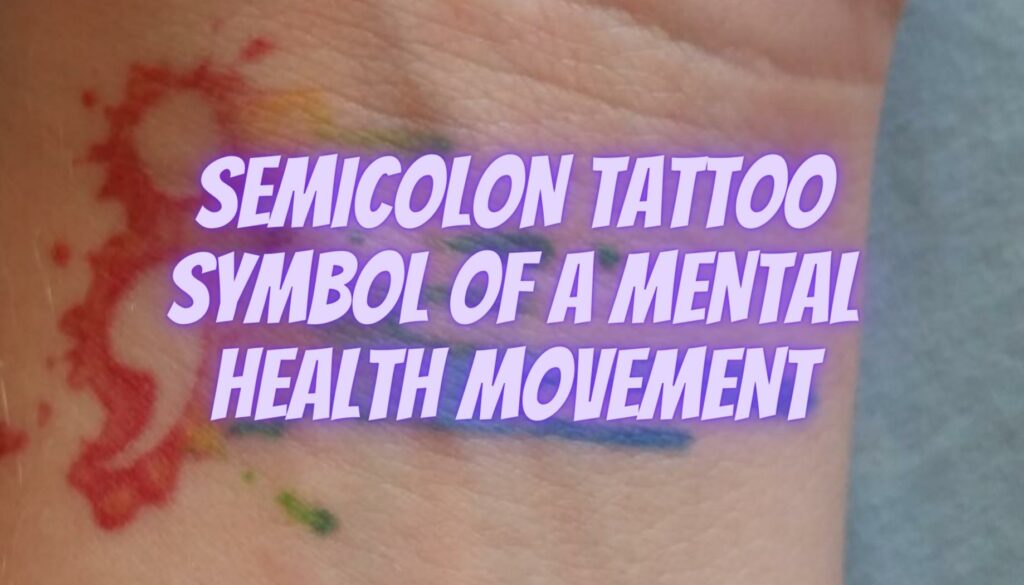
Semicolons

The semicolon has become one of the most recognized mental health symbols in the world, popularized by Project Semicolon, a movement founded to bring awareness to suicide prevention and mental health struggles. A semicolon represents the choice an author makes not to end a sentence — just as a person chooses not to end their story. It is simple, small, and quietly powerful, making it one of the most commonly placed tattoos on wrists, ankles, and behind the ear.
semicolon mental health tattoo.jpg

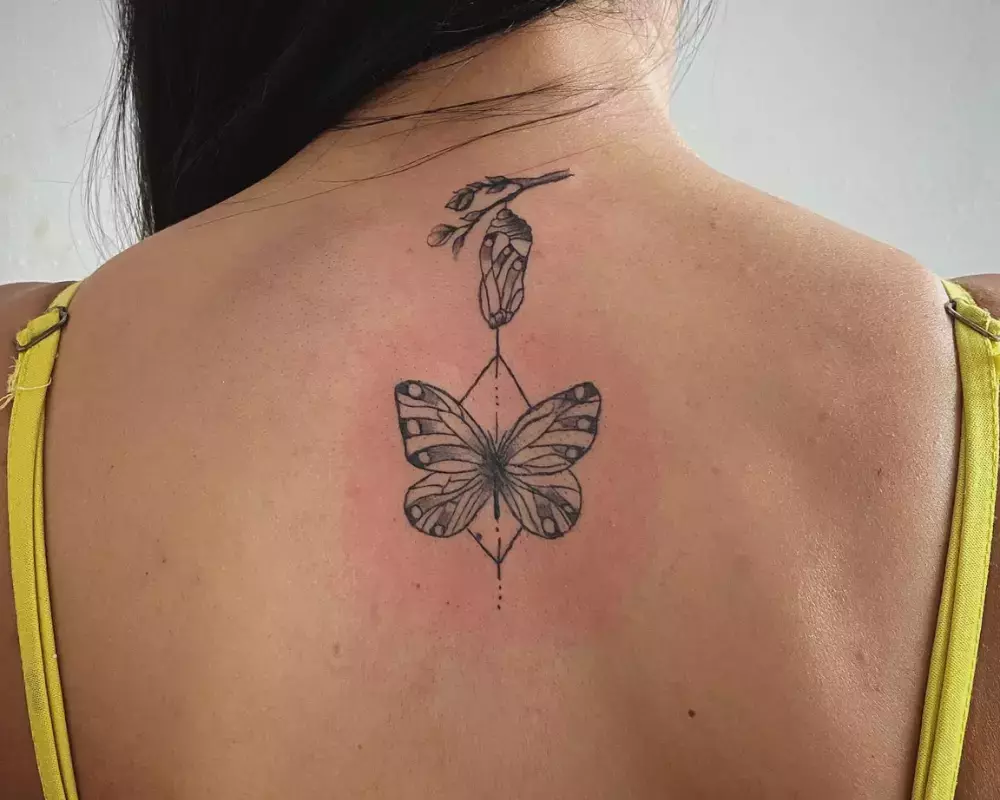
Butterflies

The butterfly is a timeless symbol of transformation, growth, and the beauty that can emerge from a period of darkness and struggle. In the mental health tattoo community, butterflies are especially associated with the Butterfly Project, an initiative encouraging those who self-harm to draw a butterfly on their skin instead of hurting themselves. Many people choose butterfly tattoos to mark their own metamorphosis — surviving depression, anxiety, eating disorders, or trauma and emerging with a renewed sense of self.
butterflies mental health tattoo

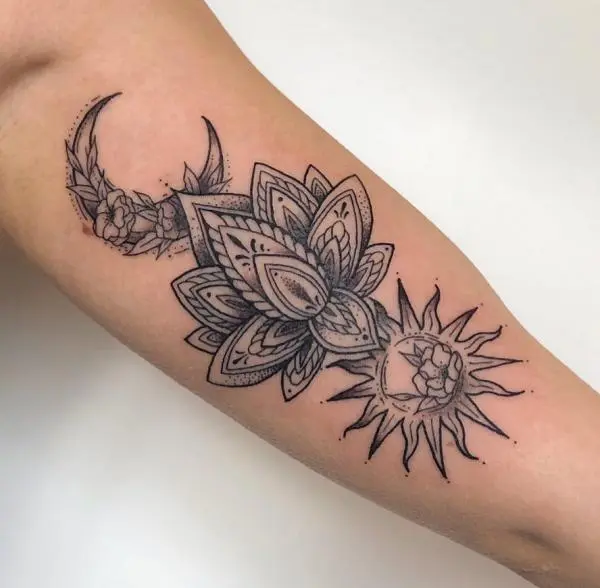
Lotus Flowers

The lotus flower grows from muddy, murky water and rises to bloom above the surface — a natural metaphor for finding clarity and peace after enduring difficult mental and emotional conditions. It is one of the most popular tattoo choices among people recovering from addiction, PTSD, depression, and grief, symbolizing spiritual resilience and the capacity to rise without being defined by the darkness below. The lotus also carries deep roots in Buddhist and Hindu philosophy, lending it layers of cultural meaning around mindfulness, acceptance, and inner calm.
lotus flowers mental health tattoo

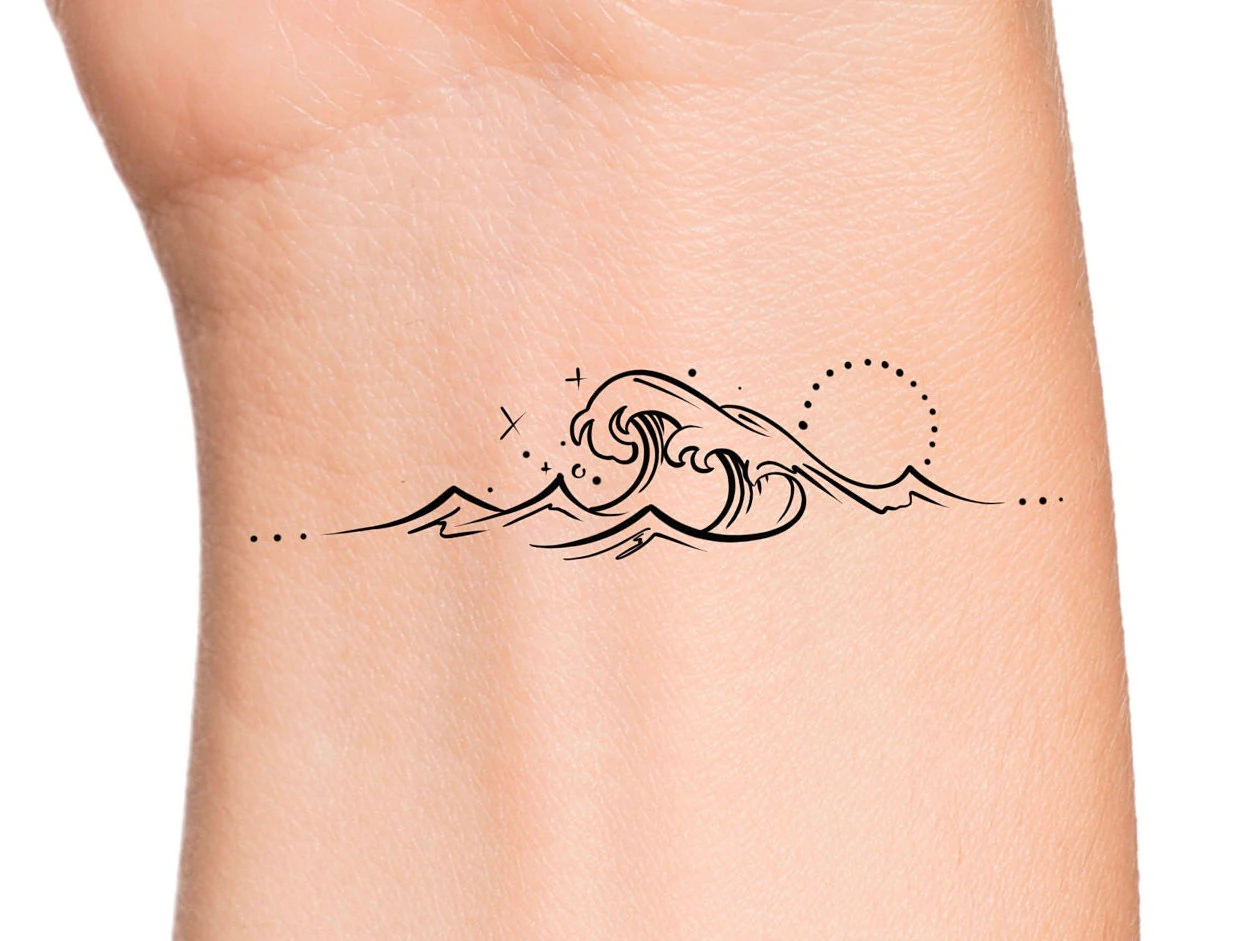
Waves and Water

Wave tattoos are increasingly chosen by those who use the ocean as a metaphor for the ebb and flow of mental health — the understanding that emotions, like tides, come and go and cannot be permanently stilled. They are popular among people managing anxiety and depression who want a reminder that even the most overwhelming wave eventually recedes. Some people add specific elements like a small boat, a moon, or a horizon line to personalize the meaning further and reflect their unique relationship with emotional turbulence.
waves and water mental health tattoo

Birds in Flight

Birds — particularly flocks of birds breaking free from a cage or scattered in mid-flight — are a beloved symbol of freedom from the mental and emotional constraints that anxiety, depression, or trauma can create. They represent liberation, the lifting of heaviness, and the return of hope after a long period of feeling trapped or unable to move forward. Swallows, sparrows, and abstract bird silhouettes are among the most popular variations, often inked on the ribs, collarbone, or upper back.

birds in flight mental health tattoo

Mountains

Mountain tattoos speak to the idea that mental health is rarely a flat, easy road — it is a climb, often steep, sometimes discouraging, but ultimately worth the view from the top. They are deeply resonant for people who have faced significant hardship and want a permanent reminder that they have already climbed hard terrain and survived. The mountain can also represent the acceptance of ongoing challenges, acknowledging that life will always have peaks and valleys but that the person carrying the tattoo has proven they can handle both.
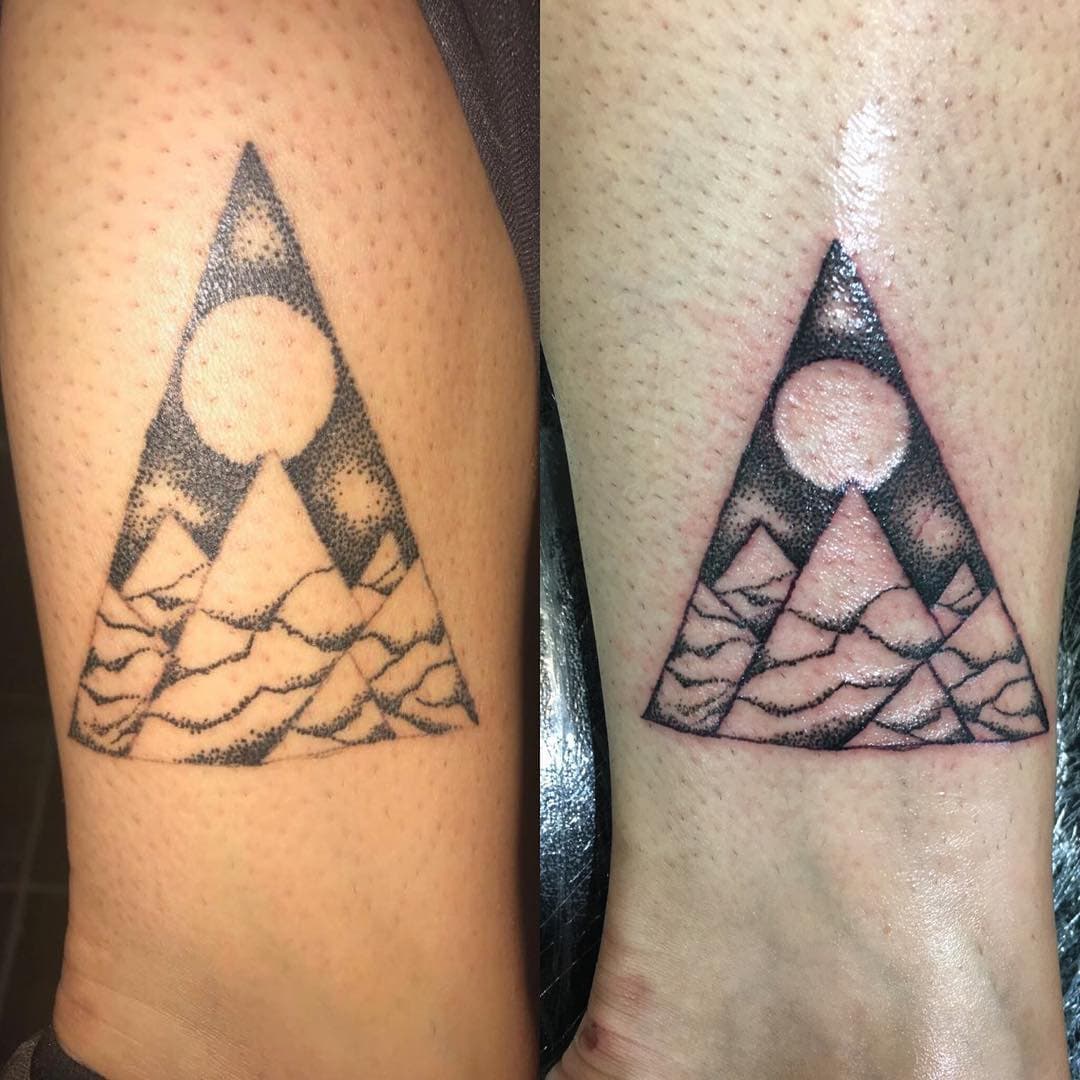
mountains mental health tattoo

Infinity Symbols

The infinity symbol — sometimes paired with a word like "hope," "breathe," or "warrior" — is chosen by those who want to remind themselves that their capacity for healing, growth, and love is boundless and without end. It carries a message of continuity, suggesting that even the darkest chapters are not the conclusion but simply one loop in an ongoing and infinite story. Many variations incorporate the semicolon directly into the infinity loop, combining two of the most powerful mental health symbols into one cohesive design.
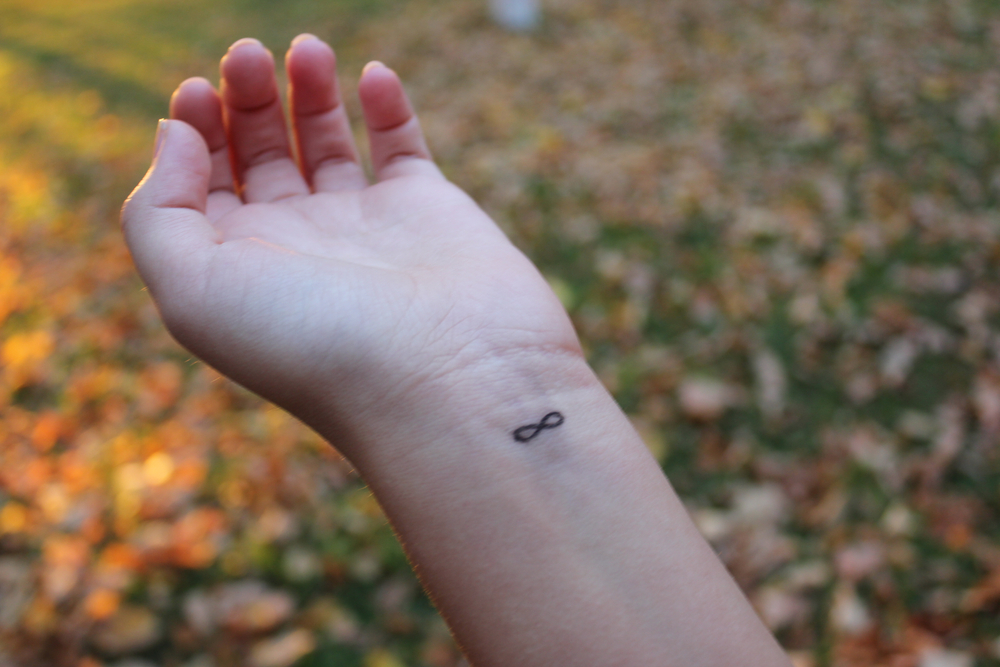
infinity mental health tattoo

Mental Health Awareness Colors (Green Ribbon)

The green ribbon is to mental health awareness what the pink ribbon is to breast cancer — a universally recognized symbol of solidarity, support, and advocacy. People choose tattoos featuring the green ribbon, often incorporating it into larger designs, to honor their own experiences or to pay tribute to someone they have lost to mental illness or suicide. It is particularly popular among mental health professionals, advocates, and family members who want to carry a visible sign of their commitment to breaking the stigma surrounding psychiatric conditions.

mental health awareness tattoo

Quotes and Words

Single words or short phrases — "breathe," "enough," "still here," "not today," "warrior," "brave" — are among the most personal and direct approaches to mental health tattooing, cutting straight to the message without metaphor. These tattoos often mark a pivotal moment, a therapist's advice, a line from a song or book that pulled someone back from the edge, or a personal mantra that has carried someone through their darkest days. The placement is often intimate — inner wrist, inner arm, or ribcage — so the words feel like a private message from one version of yourself to every future version that might need to read them.
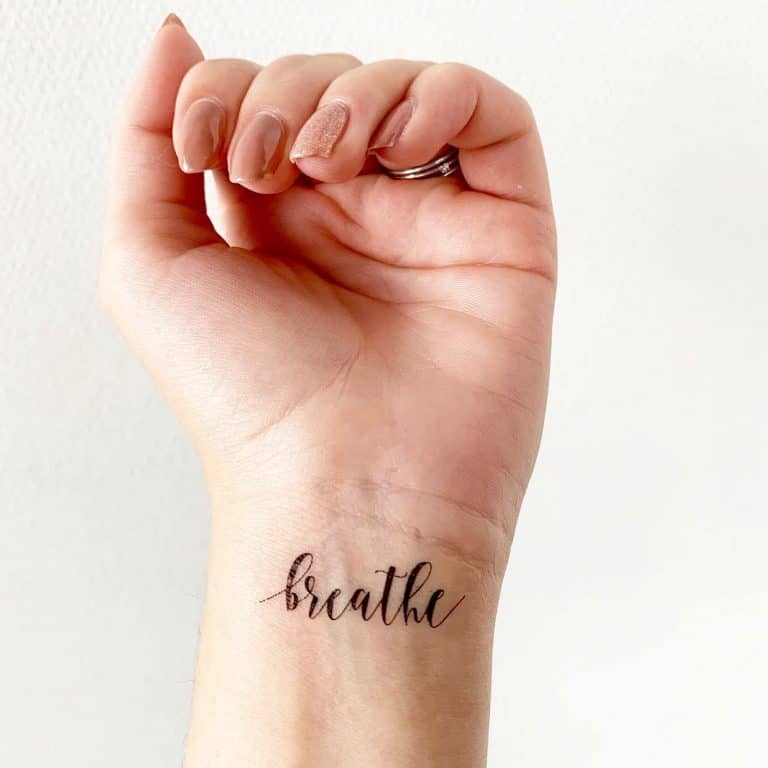
quotes and words mental health tattoo

Anatomical Hearts and Brain Art

Stylized or anatomically detailed hearts and brains have become a growing trend in the mental health tattoo space, used to represent the complex relationship between emotion and cognition, and the courage it takes to care for both. They are often chosen by people in therapy or psychiatric treatment who want to honor the work they are doing to understand and heal their own minds and emotional lives. Some designs depict flowers growing from the brain, cracked and mended hearts, or geometric patterns overlaid on the anatomy, each variation adding a layer of personal narrative to the biological imagery.

Anatomical Hearts and Brain Art tattoo

Your Skin, Your Story

Mental health tattoos are not a trend — they are a testament. They exist at the intersection of art, identity, and survival, and for the millions of people who wear them, they are among the most meaningful marks they will ever choose to put on their bodies. Whether you are drawn to the quiet simplicity of a semicolon on your wrist or the bold declaration of a full-sleeve dedicated to your recovery journey, what matters is the intention behind the ink. These tattoos remind us — and remind each other — that mental health struggles are not shameful, that survival deserves to be celebrated, and that every person who has ever fought their own mind deserves to carry something beautiful because of it. If you are considering a mental health tattoo, take your time, choose something that genuinely speaks to your story, and know that in doing so, you are joining a vast and quiet community of people who have chosen to wear their resilience openly, one design at a time.

 

image

Why We Procrastinate

LifeStyle, on Oct 01, 2024

Procrastination is something many of us struggle with, and it’s a behavior that can feel frustrating, especially when we know what needs to be done but can’t bring ourselves to do it. As a therapist, I’ve encountered countless clients who battle with procrastination, often feeling stuck in a cycle of avoidance, guilt, and stress. What makes procrastination so common, and why do we delay tasks even when we know it’s counterproductive? Let's explore the psychological factors behind procrastination, using real client examples to highlight strategies for overcoming it.

The Roots of Procrastination

Procrastination isn’t simply about poor time management or laziness. In fact, it’s often linked to deeper emotional and psychological causes. Research suggests that procrastination can be a form of emotional regulation, where we avoid tasks that trigger discomfort, anxiety, or fear. This means procrastination is more about managing emotions than managing time. Here are some common psychological reasons for procrastination:

Fear of Failure:
Many people procrastinate because they fear they won’t be able to complete a task to a high standard, so they put it off to avoid confronting that fear. One client of mine, a college student named “Jennifer”, would constantly delay writing her term papers. She would tell herself, “I’ll do it tomorrow,” but tomorrow always came with a new excuse. Through our sessions, we uncovered that her fear of not being “good enough” was at the heart of her procrastination. She feared that her writing wouldn’t meet her professor’s expectations, so she avoided starting altogether.

Overcoming It:
To help Jennifer overcome this, we used Cognitive Behavioral Therapy (CBT) to challenge her negative thoughts about failure. I encouraged her to break the task into small, manageable pieces, starting with just writing an outline. Once she took the first step, the anxiety began to lessen. She also learned to accept that her first draft didn’t have to be perfect — it just needed to exist. By reframing her thoughts about failure, she slowly gained the confidence to tackle tasks sooner.

Perfectionism:
Perfectionism is closely related to the fear of failure but comes with the added pressure of feeling that everything must be done flawlessly. Procrastinators who struggle with perfectionism often delay tasks because they’re waiting for the “perfect” moment when they’ll have the energy, clarity, or time to do it exactly right.
I once worked with a client, “James”, a graphic designer, who would avoid starting projects because he was overwhelmed by the need to create something flawless. He would spend hours envisioning the final product but struggled to begin. His procrastination wasn’t due to laziness but rather the paralyzing thought of creating something less than perfect.

Overcoming It:
To help James, we worked on practicing self-compassion and accepting that “done is better than perfect.” He began setting time limits for his work to push through the initial phase of a project, even if he wasn’t completely satisfied with it. Over time, James learned to embrace imperfection, which freed him from the self-imposed pressure that had been holding him back.

Task Aversion:
Sometimes, procrastination happens because we find a particular task unpleasant, boring, or stressful. For many of my clients, tasks like filing taxes, doing household chores, or writing reports become sources of procrastination because they evoke negative emotions. One client, Amy, would avoid doing her monthly finances because it triggered feelings of overwhelm. The mere thought of looking at her bills would make her anxious, so she put it off until the last minute, often missing payment deadlines.

Overcoming It:
In “Amy’s” case, we used the Pomodoro Technique, a time management method where tasks are broken into 25-minute intervals, followed by a 5-minute break. I suggested she set a timer and work on her finances for just 25 minutes, reassuring her that she could take a break afterward. This helped her approach the task in smaller, less intimidating increments, reducing her overall stress. Over time, the task became less daunting, and she was able to complete it without the emotional weight.

Emotional Avoidance and Stress:
Procrastination often stems from a desire to avoid uncomfortable emotions. When tasks evoke stress or negative feelings, it’s easier to distract ourselves with more pleasurable activities. For some, procrastination is a way to temporarily escape feelings of inadequacy, frustration, or anxiety. A client named “Mark” came to therapy because he was avoiding making career decisions. He felt stuck in a job he disliked but avoided taking steps to make a change because of the fear and uncertainty associated with job hunting.

Overcoming It:
For Mark, we used Acceptance and Commitment Therapy (ACT) to address the avoidance. We worked on accepting uncomfortable emotions, rather than running from them. I helped him identify his core values, which included personal growth and career satisfaction. By focusing on these values, Mark began to take small steps toward his career goals, acknowledging that discomfort was part of the process but didn’t have to dictate his actions.

Practical Strategies to Combat Procrastination

If you’re struggling with procrastination, here are some strategies that have been effective for my clients:

  1. Break Tasks Down:
    Large tasks can feel overwhelming. Breaking them into smaller, more manageable steps can reduce anxiety and make it easier to start.

  2. Set Time Limits:
    Use the Pomodoro Technique or simply set a timer for 15 or 30 minutes. Allow yourself to work on the task for that set time, knowing that you can stop afterward if needed.

  3. Challenge Negative Thoughts:
    Be aware of any negative thoughts driving your procrastination. Are you afraid of failure or perfectionism? Challenge these thoughts by reframing them. Remind yourself that progress, not perfection, is the goal.

  4. Practice Self-Compassion:
    Be kind to yourself when you procrastinate. Harsh self-criticism only leads to more avoidance. Acknowledge that procrastination is a common struggle and that you’re working to improve.

  5. Reward Yourself:
    Once you’ve completed a task or made progress, reward yourself. Positive reinforcement can help build motivation for future tasks.


Conclusion
Procrastination is a complex issue, often rooted in deep psychological processes. Whether it’s driven by fear of failure, perfectionism, or emotional avoidance, the good news is that it can be managed with the right tools and support. As a therapist, I’ve seen my clients make incredible progress by addressing the underlying emotional and cognitive barriers that fuel procrastination. By recognizing the reasons behind procrastination and applying practical strategies, it’s possible to break the cycle and take control of your time — and your life.

If you find yourself struggling with procrastination, remember that it’s not a character flaw or laziness. With self-awareness and the right support, you can overcome it.

image

Exploring the Healing Power of Animals

LifeStyle, on July 14, 2024

Exploring the Healing Power of Animals

A Meta-Analysis of Animal-Assisted Therapy

In the realm of mental health treatment, innovative approaches often seek to harness the therapeutic potential of non-human companions. One such approach, Animal-Assisted Therapy (AAT), has gained attention for its unique ability to enhance well-being and aid in emotional healing. A recent meta-analysis published on PubMed Central delves into the effectiveness of AAT across various clinical settings and patient populations.

What is Animal-Assisted Therapy (AAT)?

Animal-Assisted Therapy involves trained animals, typically dogs or horses, guided by healthcare professionals to facilitate therapeutic interventions. These animals play a crucial role in helping individuals cope with emotional and psychological issues.

Key Findings of the Meta-Analysis

The meta-analysis reviewed multiple studies to evaluate the impact of AAT on different mental health conditions, including:

  • Depression and Anxiety: Several studies demonstrated that interactions with therapy animals significantly reduced symptoms of depression and anxiety among participants. The calming presence of animals and the bond formed during sessions contributed to improved mood and emotional resilience.

  • Post-Traumatic Stress Disorder (PTSD): AAT showed promising results in alleviating PTSD symptoms, such as hypervigilance and emotional distress. Participants reported feeling more at ease and less triggered in stressful situations after engaging in therapy sessions with animals.

  • Psychosocial Functioning: Beyond symptom reduction, AAT was found to enhance psychosocial functioning. Participants showed improvements in social interactions, communication skills, and overall quality of life, highlighting the holistic benefits of integrating animals into therapy.

Why Does AAT Work?

The therapeutic benefits of AAT are attributed to several factors:

  • Biological Responses: Interactions with animals can lead to physiological changes such as reduced heart rate and cortisol levels, promoting relaxation and stress reduction.

  • Psychological Benefits: The unconditional acceptance and non-judgmental nature of animals create a safe environment for individuals to express emotions and build trust, which are critical in therapeutic settings.

Practical Applications and Considerations

As AAT continues to garner attention, its integration into mainstream mental health care requires careful consideration of training protocols, ethical guidelines, and patient preferences. Healthcare providers and researchers alike are encouraged to explore standardized approaches to maximize the therapeutic potential of AAT while ensuring the well-being of both patients and animals.

Conclusion

In conclusion, the meta-analysis underscores the growing evidence supporting Animal-Assisted Therapy as a valuable adjunct to traditional mental health treatments. By fostering emotional connections and providing unique forms of support, therapy animals offer a pathway to healing that goes beyond conventional methods. As research in this field advances, the potential of AAT to transform mental health care remains promising, offering hope and comfort to individuals navigating the complexities of emotional well-being.

For those interested in delving deeper into the findings of this meta-analysis, you can access the full article on National Library of Medicine / PubMed Central here.