
ENTER TO WIN $200 GIVEAWAY!! CLICK HERE X
image
GET LISTED

Substance Abuse

image

How long does cannabis-induced psychosis last?

Substance Abuse, on April 20, 2026

Cannabis-induced Psychosis Quick Stats

  • Around 1 in 100 cannabis users may experience psychosis at some point. 
  • Cannabis-induced psychosis episodes typically last a few days to a few weeks, though some cases extend longer.
  • High-potency THC products increase the risk of prolonged psychotic episodes
  • Early intervention significantly improves recovery time and outcomes


An Addiction Counselor’s Perspective  

I’ve been a substance abuse counselor for over eight years, working primarily with individuals struggling with drug and alcohol issues. Over the years, I’ve seen a wide spectrum of cases, from alcohol dependency to opioid addiction, and increasingly, cannabis-related mental health concerns. My focus has always been on compassionate, personalized care. I believe understanding each person’s story, their unique life circumstances, and their individual physiology is just as important as any clinical treatment plan.

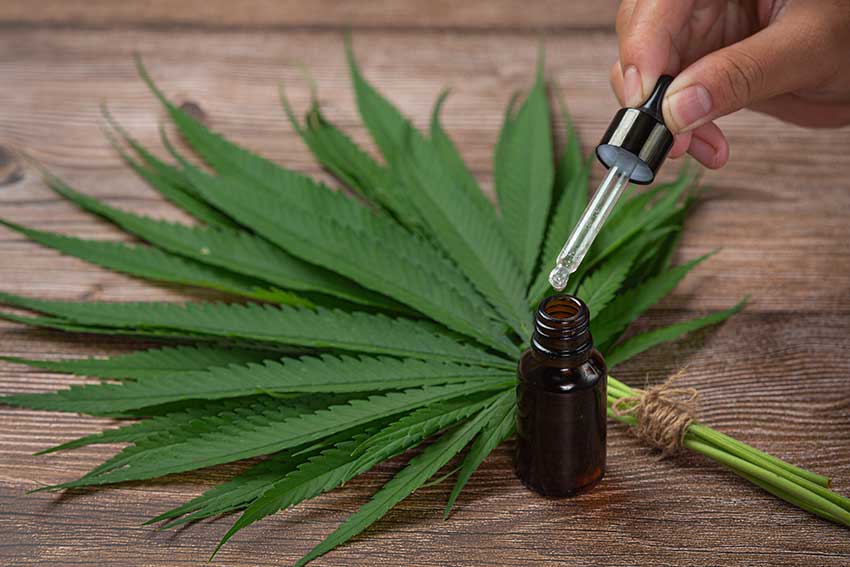
Cannabis is often perceived as harmless, but for some individuals—especially those with underlying vulnerabilities—it can trigger intense psychological episodes. One of the most challenging is cannabis-induced psychosis, a condition that can leave patients—and their families—confused and scared. Today, I want to share real experiences from my practice and shed light on how long these episodes can last, what factors influence duration, and how treatment can help.

An Addiction Counselors Perspective

Real-Life Experiences

Marcus: The Young College Student

Marcus was a 21-year-old African American college student who came to me after experiencing his first psychotic episode following heavy cannabis use during finals week. He reported seeing shadows moving in his dorm room and hearing whispers that weren’t there.

In Marcus’s case, the psychosis lasted about five days. The intensity was high during the first two days, tapering off as he was guided through grounding techniques and supportive counseling. His age, first-time exposure to high-potency cannabis, and stress from exams all contributed to the onset. The episode ended relatively quickly, but the anxiety lingered for a few weeks, which we addressed through therapy sessions and mindfulness practices.

The Young College Student

Elena: The Mid-30s Professional

Elena, a 34-year-old Hispanic woman, had a long history of occasional recreational cannabis use. She started experiencing paranoia and auditory hallucinations after switching to a highly concentrated cannabis extract for sleep issues. Unlike Marcus, her episode lasted nearly three weeks.

Elena’s psychosis was compounded by sleep deprivation and pre-existing anxiety. Her case required a combination of outpatient therapy, brief medical monitoring, and adjustments in her daily routine. Recovery was gradual, but she returned to her regular life fully functional after proper guidance. Studies suggest that episodes in individuals with prior cannabis exposure can be prolonged by underlying anxiety or stressors (Morrison et al., 2018).

Jamal: The Early 40s Veteran

Jamal, a 42-year-old African American military veteran, had a more complicated background. He used cannabis to cope with chronic pain and PTSD. After a particularly strong batch, he experienced visual hallucinations and intense disorientation.

Jamal’s psychosis lasted two weeks, and the recovery was uneven. Because of his PTSD, he initially resisted treatment and doubted that cannabis could trigger psychosis. Through consistent counseling and a structured plan involving cognitive-behavioral therapy and support groups, he slowly regained clarity. His case highlights how pre-existing mental health conditions can extend the duration of cannabis-induced psychosis (Schoeler et al., 2016).

Sophie: The Teenager

Sophie was a 17-year-old Caucasian high school student who tried cannabis at a friend’s party. She developed extreme anxiety and delusional thoughts almost immediately. Her parents brought her in after three days of continuous fear and disorientation.

For Sophie, the psychotic symptoms resolved within four days, but she remained anxious about returning to school. Early intervention, family support, and psychoeducation were crucial in helping her understand that the episode was temporary and triggered by cannabis, not an indication of permanent mental illness. Adolescent brains are especially sensitive to THC, which may explain the rapid onset but relatively brief duration in her case (Volkow et al., 2014).


Ravi: The Older Adult

Ravi, a 56-year-old South Asian man, had never used cannabis before. Following curiosity-driven experimentation with a high-THC concentrate, he experienced severe paranoia and auditory hallucinations. Unlike the others, Ravi’s psychosis lingered for over a month.

Ravi’s slower recovery was influenced by age-related metabolism changes, cardiovascular concerns, and delayed medical attention. He required close medical monitoring, counseling, and support from his family. His case emphasizes that older adults may experience longer-lasting psychotic episodes and need tailored treatment plans (Batalla et al., 2013).

Understanding the Duration

The duration of cannabis-induced psychosis is highly variable. Most episodes last a few days to a few weeks, but as seen in my practice, factors like age, pre-existing mental health conditions, potency of cannabis, stress levels, and whether the person receives early treatment all play a role. Importantly, while the acute psychotic symptoms may resolve, residual anxiety, paranoia, and sleep disturbances can persist if not addressed (Morrison et al., 2018).

Cannabis-induced Psychosis Treatment Options

From my experience, treatment is most effective when it is multimodal—addressing both the psychological and physical aspects of the episode. Here are some of the key approaches:

  1. Immediate medical evaluation – Ensures that symptoms are not caused by another medical condition and determines whether hospitalization is necessary. 
  2. Therapeutic counseling – Cognitive-behavioral therapy, grounding techniques, and psychoeducation help individuals understand and manage their experiences. 
  3. Medication management – In some cases, short-term antipsychotic medications may be prescribed to reduce severe symptoms (Schoeler et al., 2016). 
  4. Support systems – Family involvement, peer support groups, and community resources help stabilize recovery and prevent relapse. 
  5. Lifestyle adjustments – Adequate sleep, nutrition, exercise, and avoidance of cannabis are critical to reducing the risk of recurrence. 

Early intervention consistently leads to shorter recovery times and better outcomes. Delays in seeking help can prolong the episode and increase stress on both the individual and their support network.


Words of Wisdom from the Counselor

After seeing hundreds of cases over the years, one truth has become clear: psychosis, whether cannabis-induced or otherwise, is never a moral failing—it’s a signal that something in the brain-body system is overwhelmed.

If you or someone you know experiences unusual thoughts, paranoia, or hallucinations after using cannabis, the best approach is immediate care, patience, and support. Recovery is almost always possible with timely intervention, proper guidance, and a nurturing environment.

Never underestimate the power of listening, understanding, and nonjudgmental support. Substance use can be complicated, but with the right help, anyone can navigate back to mental clarity and stability.

References

  • Batalla, A., Bhattacharyya, S., Yücel, M., Fusar-Poli, P., Crippa, J. A., Nogué, S., … & Martín-Santos, R. (2013). Structural and functional imaging studies in chronic cannabis users: a systematic review of adolescent and adult findings. PLoS ONE, 8(2), e55821. 
  • Di Forti, M., Marconi, A., Carra, E., Fraietta, S., Trotta, A., Bonomo, M., … & Murray, R. M. (2015). Proportion of patients in south London with first-episode psychosis attributable to use of high potency cannabis: a case-control study. The Lancet Psychiatry, 2(3), 233–238. 
  • Di Forti, M., Quattrone, D., Freeman, T. P., Tripoli, G., Gayer-Anderson, C., Quigley, H., … & Murray, R. M. (2019). The contribution of cannabis use to variation in the incidence of psychotic disorder across Europe (EU-GEI): a multicentre case-control study. The Lancet Psychiatry, 6(5), 427–436. 
  • Morrison, P. D., Nottage, J., Stone, J. M., Bhattacharyya, S., Tunstall, N., Brenneisen, R., … & Murray, R. M. (2018). Effects of synthetic intravenous Δ9-tetrahydrocannabinol on psychosis, mood, and cognitive functioning in healthy people: a randomized controlled trial. JAMA Psychiatry, 75(3), 1–10. 
  • Schoeler, T., Monk, A., Sami, M., Klamerus, E., Foglia, E., Brown, R., … & Bhattacharyya, S. (2016). Continued versus discontinued cannabis use in patients with psychosis: a systematic review and meta-analysis. The Lancet Psychiatry, 3(3), 215–225. 
  • Volkow, N. D., Baler, R. D., 
image

Can an Alcoholic Ever Drink Again?

Substance Abuse, on February 18, 2026

A few quick stats

  • Over 400 million people worldwide suffer from alcohol use disorder.
  • Only about 1 in 3 people who struggle with alcohol ever seek treatment.
  • Relapse rates for alcoholism sit between 40–60%, comparable to other chronic diseases like diabetes.
  • The average alcoholic will attempt to quit 4–5 times before achieving lasting sobriety.


Growing Up Around Alcohol 

I remember the first time I ever had a drink. I was fourteen years old, sitting in my Uncle Ronnie's garage in rural Ohio, and he handed me a cold can of beer like it was a rite of passage. He laughed when I winced at the taste. "You'll get used to it," he said. He was right. I got used to it faster than either of us probably expected.

Growing up, alcohol was just part of the furniture in our house. My dad wasn't a violent drunk or anything dramatic like that. He was a quiet one. A man who came home from the factory, sat in his recliner, and worked his way through a six-pack every single night without fail. Nobody called it a problem. We called it unwinding. We called it what grown men did after a hard day. So I grew up understanding alcohol not as a danger, but as a reward. A release valve. Something you earned.

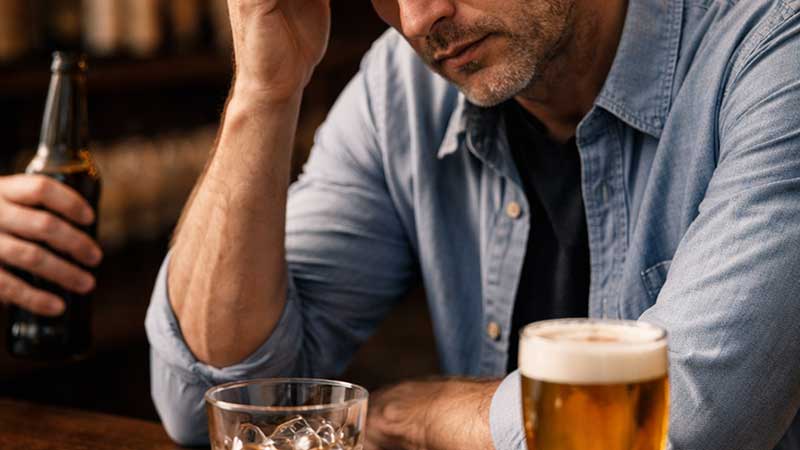
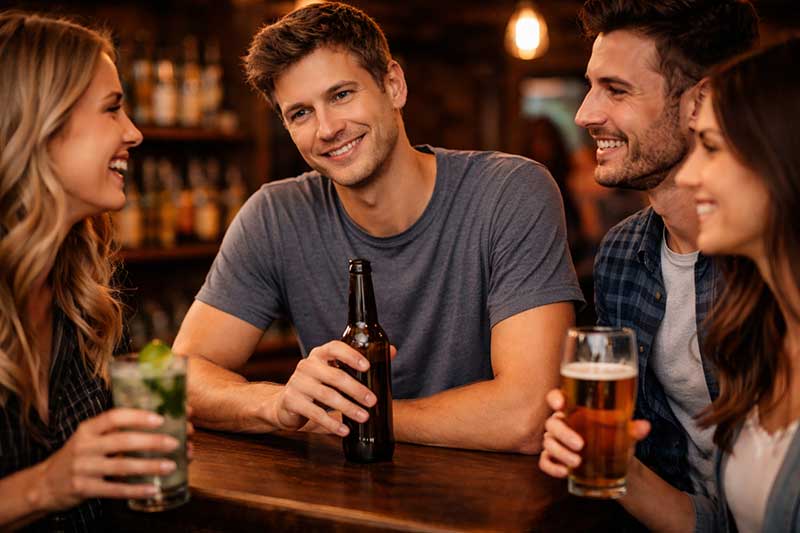
Through high school I drank at parties like everyone else did. Nothing that raised flags. Through college, same story — maybe a little more, maybe a little louder, but I was young and it all seemed to fit the version of life I was supposed to be living. I was social, I was funny with a few drinks in me, and I genuinely believed that alcohol made me a better version of myself. More relaxed. More confident. More fun. That belief would follow me for a long time, and it would cost me everything before I understood how wrong it was.

Growing Up Around Alcohol


When Social Drinking Quietly Became Alcoholism

I got married at twenty-seven to a woman named Karen, who is — and I don't say this lightly — the reason I'm still alive today. We had our son, Daniel, at twenty-nine, and our daughter, Mia, two years after that. On paper, my life looked like the American dream. Good job in logistics management, nice house in the suburbs, a wife who loved me, two beautiful kids. But somewhere in the middle of building all of that, the drinking quietly changed shape.

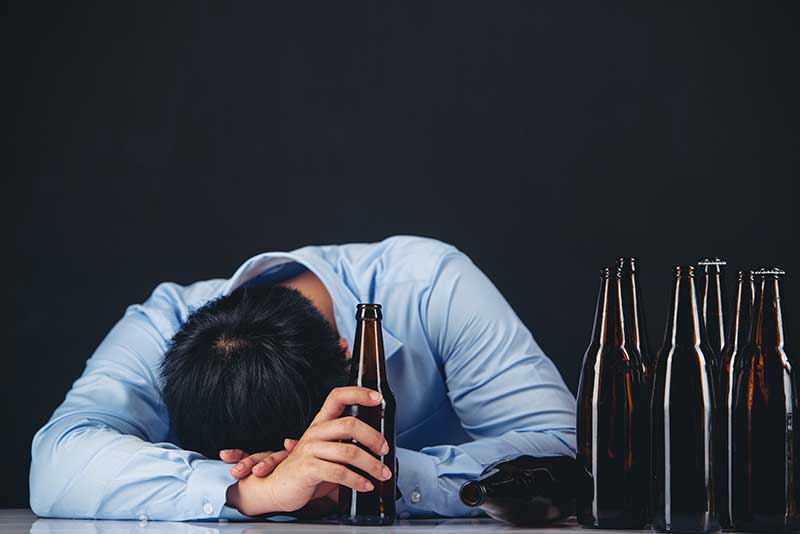
It stopped being something I did on weekends. It became something I did every night. Then it became something I needed before I could sleep. Then it became something I thought about at work by three in the afternoon. I didn't notice the transition because it happened the way a slow leak destroys a foundation — invisible, gradual, and catastrophic by the time you see it.

By the time I was thirty-four, I was hiding bottles in the garage. Not from Karen exactly — she knew I drank. But from the version of her that I knew would look at me differently if she saw how much. I was functional, which is the most dangerous kind of alcoholic to be, because "functional" lets you lie to yourself for years. I was still getting to work. Still coaching Daniel's little league games, at least most of them. Still showing up. But I was showing up hollowed out, already counting down to the next drink, already managing my intake just enough to keep the shakes from starting.

When Social Drinking Quietly Became Alcoholism


Hitting Rock Bottom: When My Marriage Almost Ended

The marriage nearly ended at thirty-six. Karen sat across from me at the kitchen table after the kids were in bed and told me that she had been watching me disappear for two years and she couldn't keep pretending she didn't see it. I'll never forget that conversation because she wasn't angry. She was exhausted. There's something about seeing exhaustion on the face of someone who loves you that hits harder than any argument. I checked into a thirty-day inpatient program two weeks later.

That first stretch of sobriety was remarkable. I felt things I had numbed for years. I cried at a commercial once and then sat there stunned, realizing I hadn't cried at anything in almost a decade. I went to meetings. I got a sponsor named Gerald, a retired electrician in his sixties who had twenty-two years sober and didn't sugarcoat a single thing. I came home to a wife who was cautiously hopeful and kids who just seemed glad I was more present. I had fourteen months clean. Fourteen months.

When My Marriage Almost Ended


The Dangerous Lie of "Just One Drink"

And then I had one beer at a colleague's retirement party.

That's the part people who've never dealt with addiction don't fully understand. It wasn't a moment of weakness exactly. It was a moment of logic — or what felt like logic at the time. I had done the work. I was stable. I was different now. Surely one beer at a party, surrounded by people, in a controlled environment, wasn't the same as what I used to do alone in a garage at midnight. Surely I had reset somehow. Surely the rules that applied to the man I used to be didn't apply anymore.

I was back to daily drinking within three weeks.


Relapsing Again: The Hardest Part of Alcohol Recovery

The second collapse was worse than the first because I had shown Karen and the kids a version of me that was better, and then I took it away again. Daniel was eleven by then. Old enough to understand what was happening. Old enough to be angry about it in a way that a younger child can't articulate. There were nights I'd catch him watching me with this look on his face — not hate, which would have been easier — but something closer to grief. Like he was already mourning something.

I went back to treatment at thirty-nine. Different program this time, longer, with a harder focus on the underlying architecture of why I drank. Trauma from my childhood that I had never named. Anxiety that alcohol had been medicating for twenty years. A fundamental belief that I was not enough without something to take the edge off. That second time in treatment broke me open in a different way. Not the relief of the first time, but something harder and more necessary.

The Hardest Part of Alcohol Recovery Relapsing


So, Can an Alcoholic Ever Drink Again? Here's My Honest Answer

That was four years ago. I am forty-three now. I have four years sober, and I want to answer the question in the title of this piece as plainly as I know how.

No. I cannot ever drink again.

Not one drink. Not a beer at a retirement party. Not a glass of champagne at my daughter's eventual wedding. Not a sip to be polite. Not ever. And I say that not with bitterness, but with the clarity of someone who tested the theory and paid the price. The question "can an alcoholic ever drink again" is one that most of us in recovery have asked ourselves at some point, usually because we desperately want the answer to be yes. We want to believe that sobriety is a finish line, that once you cross it you get some of your old freedoms back in a safer form. But for most of us, that's not how it works.

The disease doesn't go into remission the way some illnesses do. It waits. My sponsor Gerald used to say that while he was sober, his alcoholism was outside doing push-ups. I laughed the first time he said it. I don't laugh anymore. I know exactly what he meant. One drink doesn't return me to the man I was at the retirement party. It returns me to the man in the garage at midnight. Every single time.


What Long-Term Sobriety Actually Looks Like

What I have now is not a lesser life because I don't drink. I want to be honest about that too, because early in sobriety I genuinely feared that a life without alcohol would be flat. Manageable but colorless. It isn't. Karen and I are better than we have been at any point in our marriage. Mia tells me things, the way daughters tell their dads things when they trust them. Daniel, my angry, grieving eleven-year-old, is now fifteen and plays guitar badly and loudly and I sit through every painful practice because I am there for it. I am present for all of it now. Not performing presence — actually present.

That is what was on the other side of the question. Not a return to drinking on my own terms. Not moderation or management or any of the bargaining I tried. Just this. A Tuesday evening helping Mia with her homework. A Saturday morning making terrible pancakes while Karen drinks her coffee and tells me I always use too much butter. A life that is fully, undeniably mine.

I wouldn't trade one drink in the world for it.

image

Substance Abuse Disorder Treatment Month

Substance Abuse, on December 16, 2025

Every September, we observe National Recovery Month, but the conversation about substance abuse disorder treatment deserves our attention throughout the entire year. As a psychologist who has worked with individuals struggling with addiction for over a decade, I've witnessed firsthand the transformative power of proper treatment, community support, and the elimination of stigma. I've sat across from parents who've lost hope, young adults who feel trapped by their circumstances, and families fractured by the weight of addiction. But I've also seen remarkable recoveries, reunited families, and individuals who've reclaimed their lives through comprehensive treatment and unwavering support.

Substance abuse disorders affect millions of Americans, transcending age, race, socioeconomic status, and geography. According to the Substance Abuse and Mental Health Services Administration (SAMHSA), approximately 48.7 million people aged 12 or older had a substance use disorder in recent years. SAMHSA provides crucial resources, treatment locators, and evidence-based guidance for individuals and families navigating recovery. You can find comprehensive support and information at https://www.samhsa.gov, including their National Helpline at 1-800-662-4357, which offers free, confidential, 24/7 support in both English and Spanish.

The reality I've observed in my practice is that addiction is not a moral failing or a lack of willpower. It's a complex brain disorder influenced by genetic, environmental, psychological, and social factors. When someone develops a substance abuse disorder, their brain chemistry changes, affecting decision-making, impulse control, and the ability to experience pleasure from natural rewards. This understanding is fundamental to approaching treatment with compassion rather than judgment.

How Effective Nonprofits Support Recovery

I've had the privilege of collaborating with a remarkable nonprofit mental health organization that has built their substance abuse disorder treatment program around three core principles: accessibility, comprehensive care, and dignity. They recognize that traditional treatment models don't work for everyone, so they've developed multiple pathways to recovery that have inspired my own approach to treatment.

Their peer support groups meet five times weekly, facilitated by trained counselors and individuals in long-term recovery. These sessions create safe spaces where people can share their struggles without fear of judgment. I've referred many clients to these groups and watched participants form bonds that become lifelines during their darkest moments. One member recently told me, "This group saved my life. When I wanted to use, I called someone from the group instead. They understood in a way my family couldn't."

They also operate a sliding-scale counseling program that ensures financial barriers don't prevent anyone from accessing individual therapy. Their therapists specialize in evidence-based approaches including Cognitive Behavioral Therapy, Motivational Interviewing, and trauma-informed care. Many individuals with substance abuse disorders have experienced significant trauma, and addressing these underlying wounds is essential for lasting recovery.

Their family education and support initiative recognizes that addiction affects entire family systems. They offer monthly workshops where family members learn about the neuroscience of addiction, communication strategies, and how to support their loved ones while maintaining healthy boundaries. I often attend these workshops as a guest speaker, and I've seen parents arrive feeling guilty and confused, but leave with practical tools and the understanding that they're not alone.

Additionally, this organization has partnered with local employers, housing agencies, and educational institutions to provide recovery-friendly environments. Their vocational rehabilitation program helps individuals in recovery develop job skills, prepare for interviews, and find employers who value second chances. Employment provides purpose, structure, and self-esteem—all critical components of sustained recovery.

The Power of Informed Compassion

Here's something I've learned that might surprise you: awareness alone doesn't change outcomes, but awareness paired with actionable compassion does. You don't need to be a therapist or have personal experience with addiction to make a meaningful difference in someone's recovery journey.

Start by examining the language you use. Words like "junkie," "addict," or "clean" carry stigma that can prevent people from seeking help. Instead, use person-first language: "a person with substance use disorder" or "a person in recovery." This subtle shift acknowledges their humanity before their condition.

When someone shares their struggle with you, resist the urge to offer quick fixes or tough love speeches. Instead, practice the art of compassionate listening. Ask, "What kind of support would be most helpful to you right now?" This simple question empowers them rather than imposing your assumptions about what they need.

Consider becoming a community advocate by supporting harm reduction initiatives in your area. Harm reduction meets people where they are, prioritizing immediate safety over immediate abstinence. This might include supporting needle exchange programs, advocating for accessible naloxone distribution, or backing policies that treat addiction as a health issue rather than a criminal one.

Educate yourself about the resources available in your community, then share that information generously. Keep the SAMHSA helpline number in your phone. Familiarize yourself with local treatment centers, support groups, and recovery community organizations. When someone expresses readiness for help, having immediate, concrete information can be the difference between action and continued suffering.
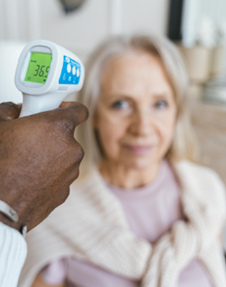
Finally, examine your workplace, faith community, or social circles for unintentional barriers to recovery. Are there opportunities to create more inclusive spaces? Can you advocate for recovery-friendly policies? Sometimes the most profound support comes from simply making room for people in recovery to fully participate in community life without shame or exclusion.

Moving Forward Together

Recovery is possible, but it rarely happens in isolation. As we dedicate time to focus on substance abuse disorder treatment, let's commit to more than awareness. Let's commit to action, understanding, and the creation of communities where every person struggling with addiction knows they're worthy of support, treatment, and a future filled with hope.

In my years of practice, I've never met anyone who wanted to become addicted. I've met countless people who wanted to heal, who fought courageously against a disorder that society often misunderstands, and who deserved every bit of support they received and more. This month, and every month, let's honor their courage by being part of their solution rather than their struggle.

image

Can You Snort Gabapentin?

Substance Abuse, on September 09, 2025

Gabapentin, originally developed as an anti-seizure medication, has become one of the most commonly prescribed drugs in the United States. Marketed under brand names like Neurontin and Gralise, this medication belongs to a class of drugs called anticonvulsants or antiepileptics. While initially designed to treat epilepsy, gabapentin has found widespread use in managing neuropathic pain, restless leg syndrome, and as an adjunct treatment for anxiety disorders.

A few facts
- Up to 68% of gabapentin misusers combine it with opioids to boost euphoric effects.
- Over 40 million gabapentin prescriptions were dispensed in 2022 up from 18 million in 2004
- Nearly 90% of gabapentin-detected overdose deaths also involved opioids, particularly fentanyl

Standard Use and Consumption

Under normal medical supervision, gabapentin is taken orally in capsule, tablet, or liquid form. The medication works by affecting calcium channels in the nervous system, which helps reduce abnormal electrical activity in the brain and alters pain signal transmission. Typical dosages range from 300mg to 3,600mg daily, divided into multiple doses throughout the day. The drug has a relatively good safety profile when used as prescribed, with common side effects including dizziness, drowsiness, and coordination problems.

Healthcare providers often prescribe gabapentin for off-label uses, including managing chronic pain conditions like fibromyalgia, diabetic neuropathy, and post-herpetic neuralgia. Its calming effects have also made it popular for treating alcohol withdrawal symptoms and certain psychiatric conditions, though these applications remain controversial in some medical circles.

The Reality of Snorting Gabapentin

The question of whether gabapentin can be snorted reflects a concerning trend in prescription drug misuse. Technically, yes, gabapentin can be crushed and insufflated, but this method of administration comes with significant risks and little benefit. Unlike some medications that produce rapid, intense effects when snorted, gabapentin's bioavailability actually decreases when taken this way.

When gabapentin is consumed orally, it's absorbed through a specific transport system in the intestines that becomes saturated at higher doses. This saturation effect means that snorting the drug doesn't produce the enhanced or accelerated effects that users might expect. Instead, it often results in nasal irritation, potential damage to nasal passages, and unpredictable absorption rates.

The powder form of crushed gabapentin can cause severe irritation to mucous membranes, leading to nosebleeds, chronic congestion, and in some cases, permanent damage to nasal structures. Additionally, the inactive ingredients in gabapentin tablets, such as fillers and binding agents, are not designed for nasal administration and can cause further complications.

Real-World Experiences and Consequences

Emergency departments across the country have reported cases involving gabapentin misuse. Dr. Sarah Martinez, an emergency physician at a major metropolitan hospital, recalls treating a 28-year-old construction worker who had been snorting gabapentin for several months. "He came in with severe nasal congestion, frequent nosebleeds, and complained that the medication wasn't working for his chronic back pain anymore," she explained. The patient had progressively increased his dosage and changed his method of administration, leading to both physical complications and reduced therapeutic effectiveness.

Another case involved a 34-year-old woman who had been prescribed gabapentin for anxiety. After reading online forums suggesting that snorting the medication would provide faster relief, she began crushing her pills. Within weeks, she developed chronic sinusitis and had to be treated with antibiotics. Her anxiety symptoms actually worsened due to the inconsistent absorption and reduced effectiveness of the medication.

Addiction treatment centers have also noted an increase in gabapentin-related admissions. Michael Thompson, a counselor at a rehabilitation facility in Ohio, reports seeing patients who began misusing gabapentin after developing tolerance to their prescribed dosage. "Many don't realize that gabapentin can be habit-forming, especially at higher doses," Thompson notes. "We've seen people escalate from standard oral use to crushing and snorting, often in combination with other substances."

Research and Medical Evidence

Academic research has consistently shown that alternative routes of gabapentin administration offer no therapeutic advantage. A study published in the Journal of Clinical Pharmacology by researchers at the University of Alabama examined the pharmacokinetics of gabapentin across different administration methods. The research demonstrated that intranasal administration resulted in lower peak plasma concentrations and reduced overall bioavailability compared to oral administration.

The National Institute on Drug Abuse (NIDA) has identified gabapentin as an increasingly misused prescription medication, particularly in combination with opioids. Research published in the American Journal of Psychiatry found that gabapentin misuse was associated with higher rates of emergency department visits and overdose incidents when combined with other central nervous system depressants.

A comprehensive review conducted by Johns Hopkins School of Medicine analyzed emergency department data from 2013 to 2017 and found a 119% increase in gabapentin-related visits. The study noted that alternative administration methods, including insufflation, were associated with more severe adverse outcomes.

Medical Recommendations

Healthcare professionals universally advise against snorting gabapentin or any other prescription medication not specifically designed for nasal administration. The risks far outweigh any perceived benefits, and patients experiencing inadequate symptom control should consult their healthcare providers about appropriate dosage adjustments or alternative treatments.

For individuals struggling with gabapentin misuse, medical supervision during discontinuation is essential, as stopping suddenly can lead to withdrawal symptoms including anxiety, insomnia, and in rare cases, seizures. Treatment programs specifically addressing prescription drug misuse are available and can provide comprehensive support for recovery.

The bottom line remains clear: gabapentin should only be used as prescribed, through oral administration, under proper medical supervision.

Stats Sources
- U.S. FDA & CDC
- Gabapentin prescriptions number U.S. 2004-2022 | Statista
- CDC

image

Does Ketamine Therapy Get You High?

Substance Abuse, on May 08, 2025

Before we discuss whether ketamine therapy gets your "high," it's worth noting that around 2% of U.S. adults have tried ketamine at least once in their lifetime (ABC News, 2023).

Over the recent years, Ketamine therapy has emerged as a promising treatment for depression, anxiety, PTSD, and chronic pain; especially for those who haven't had signs of success to conventional treatments. However, prior to it being given by licensed prossionals, its origins began as a recreational drug (often referred to as "Special K"), it was illegal and usually purchased from someone who had a connection to a vet as it was easier back then to get it since they didn't account for it as they do today.

What Is Ketamine?

Ketamine was developed in the 1960s as a fast-acting anesthetic. In medical settings, it has been widely used in operating rooms, emergency departments, and battlefield medicine because of its safety profile. In recent decades, research has uncovered its profound impact on neuroplasticity and mood regulation, leading to its use in mental health therapy.


Ketamine was developed in the 1960s

Ketamine Case Study

We spoke with a recent Ketamine Therapy patient that also used it as a recreational drug in the early 2000's to ask his experiences on the difference between recreational and therapy.  He shared that his two favorite drugs back then were Ecstasy and Special K, often used in party settings for their euphoric and dissociative effects. He used to pop Ecstacy pills and snort the Ketamine. Ecstasy was much stronger on the body, creating intense physical sensations and emotional highs, but also came with harsh comedowns and lingering exhaustion.

In contrast, Ketamine felt more introspective and surreal, with less physical toll but a deeper psychological impact. Regardless, he said that snorting Ketamine alone got your really high; almost a floating numbing sensation, but also as if you were in a cartoon setting that had feelings of euphoria & hallucinations.  If you snorted too much, you would go into what they call the black hole where everything around you turns black and you can't see. This effect usually last several minutes give or take. He's heard of some cases of friends that took way too much where parts of their body such half their face become permanently numb or partially numb. 

ketamine euphoria hallucinations

It's now been 20 years later and he started taking Ketamine treatment from a licensed physician which is not given in form of powered to snort, but it's now administered via IV Infusion, IM Injection, Lozenges/Troches (oral), or Nasal Spray (esketamine/Spravato).   This is now done in a much more controlled environment from how it's administered to the amount you get.

Doses are lower-to-moderate, carefully titrated to induce a state where the brain becomes more plastic and open to therapy; not to “trip". 

Ketamine Intravenous (IV)

After being on this treatment for two months, he has confirmed significant improvements in his mood, clarity, and ability to process long-held emotional trauma without the crazy highs and down effects of recreational use.

Ketamine euphoria or hallucination

What Do the Stats Say?


- According to a 2022 systematic review in The American Journal of Psychiatry, up to 70% of treatment-resistant depression patients showed significant improvement after just one ketamine infusion.

- The FDA-approved esketamine (Spravato) nasal spray has been shown to reduce symptoms of depression within hours, with 68% of patients responding positively in trials.

- A 2021 survey of 1,247 patients in ketamine-assisted therapy found that less than 5% reported euphoric or "high-like" feelings as their main experience; most described it as "introspective," "emotionally intense," or "mystical."


How Is Safety Maintained?


Medical ketamine therapy is performed under strict supervision:
- Medical screening before treatment
- Monitoring of blood pressure and heart rate
- Post-session integration therapy to help process the experience

Ketamine Safety Medical Screening

Final Thoughts

So, does ketamine therapy get you high? Not in the way you might think. While some of the dissociative effects may resemble a "high," the therapeutic setting, dosage, and intent are vastly different. Ketamine therapy isn't about escapism—it's about healing.

As with any treatment, it's important to consult a qualified provider and consider your medical history. Ketamine therapy isn't right for everyone, but for many, it's a transformative step toward better mental health.

image

Global Substance Abuse Treatment Market to Hit $22.8 Billion by 2031

Substance Abuse, on Aug 12, 2024

According to Coherent Market Insights

Global Substance Abuse Treatment Market 

Expected to Reach $22.8 Billion by 2031, Growing at 8.6% CAGR

The global market for substance abuse treatment is set to experience substantial growth, reaching an estimated $22.8 billion by 2031, according to recent findings by Coherent Market Insights. This growth reflects a compound annual growth rate (CAGR) of 8.6% over the forecast period.

The rising prevalence of substance abuse disorders across various demographics, coupled with increasing awareness and advances in treatment methodologies, are significant drivers of this market expansion. The treatment sector encompasses a wide range of services, including detoxification programs, inpatient and outpatient rehabilitation, and counseling services.

Factors contributing

to the market's growth include the escalating rates of substance abuse, greater acceptance of mental health treatment, and ongoing innovations in therapeutic techniques. As public awareness of addiction's impact on individuals and communities continues to rise, there is a growing demand for effective treatment options and supportive care.

Moreover, technological advancements and integration of digital health tools are expected to further enhance treatment efficacy and accessibility, driving market expansion. Governments and healthcare organizations are also investing in programs and initiatives to combat substance abuse, contributing to the market's upward trajectory.

For more detailed insights and projections, visit the original report by Coherent Market Insights here.

image

OPMS Black Liquid Kratom linked to death

Substance Abuse, on Aug 05, 2024

Death linked to OPMS Black Liquid Kratom

In a recent and alarming update, the FDA has issued a strong warning regarding OPMS Black Liquid Kratom, a potent kratom extract linked to a tragic fatality and multiple severe health issues. This development has underscored the urgent need for greater awareness and caution among kratom users. Here’s a closer look at what’s transpired and its broader implications for kratom consumption.

FDA Alerts on Health Risks and Fatalities

The FDA’s recent advisory focuses on OPMS Black Liquid Kratom, a highly concentrated form of kratom. This product has been implicated in a serious health crisis, including one confirmed death and numerous cases of severe illness. The FDA's findings reveal critical issues that demand immediate attention.

Key Concerns from the FDA

1. Death and Severe Health Reactions

The FDA reports that OPMS Black Liquid Kratom is associated with a fatality, with the user experiencing severe health complications attributed to the product. Other reported issues include:

  • Breathing Difficulties: Instances of respiratory distress and severe breathing problems.
  • Heart Problems: Elevated heart rate and high blood pressure.
  • Mental Health Issues: Severe agitation, confusion, and hallucinations.
  •  

2. Concerns Over Potency

OPMS Black Liquid Kratom is noted for its high potency, which raises the risk of overdose. The FDA has highlighted that the strength of this product could lead to unpredictable and dangerous health effects. The variability in potency across different batches further complicates safe consumption.

3. Quality Control Problems

The FDA's investigation has also uncovered issues related to quality control and potential contamination. Without standardized testing and quality assurance, kratom products can pose significant health risks due to contaminants or inconsistent dosages.

Implications for Kratom Users

The FDA’s warning about OPMS Black Liquid Kratom has serious implications for current and prospective users:

  • Health Risks: The severe reactions associated with this product highlight the inherent dangers of using high-potency kratom extracts. Users should be especially cautious with products known for their strength and lack of regulatory oversight.

  • Regulatory Gaps: The absence of FDA regulation means kratom products can vary widely in quality and safety. This lack of oversight can lead to unsafe products reaching consumers.

  • Consumer Vigilance: The FDA’s alert serves as a crucial reminder for users to exercise caution when selecting kratom products. It is important to choose products from reputable sources and consult healthcare professionals before use.

Recommended Actions

For Consumers:

  1. Avoid Potent Products: Given the issues with OPMS Black Liquid Kratom, steer clear of high-potency kratom extracts. Opt for products with transparent labeling and verified safety profiles.
  2. Consult Health Experts: Before using kratom, especially if you have health concerns or take other medications, seek advice from a healthcare provider.
  3. Report Issues: If you experience adverse effects after using kratom, report them to the FDA or your healthcare provider to aid in monitoring and safety measures.

For Regulators and Manufacturers:

  1. Increase Oversight: Strengthening regulatory frameworks and quality control for kratom products is crucial to ensuring consumer safety.
  2. Enhance Transparency: Manufacturers should provide detailed information about the potency and purity of their products and ensure rigorous testing to prevent contamination.


Conclusion

The FDA's warning regarding OPMS Black Liquid Kratom highlights the severe risks associated with this high-potency kratom extract. With one death and numerous serious health issues linked to the product, the need for increased caution and regulatory action is evident. Consumers should stay informed and exercise caution, while regulatory bodies and manufacturers must work to ensure the safety and quality of kratom products. As the situation evolves, it’s crucial to remain vigilant and informed about the risks of kratom use.

image

Targeting Neurobiological Pathways to Strengthen Inhibitory Control in Drug Addiction

Substance Abuse, on July 20, 2024

Targeting Neurobiological Pathways to Strengthen Inhibitory Control in Drug Addiction

Drug addiction is a complex disorder that profoundly affects the brain's neural circuits, particularly those involved in decision-making and impulse control. One of the critical challenges in addiction treatment lies in enhancing inhibitory control, the ability to resist impulses and make informed choices, which is often compromised in individuals struggling with substance use disorders (SUDs). Recent research has been focusing on identifying neurobiological targets that could potentially strengthen inhibitory control and aid in addiction recovery.

Understanding Inhibitory Control and Addiction

Inhibitory control is a cognitive process mediated by the prefrontal cortex, which allows individuals to regulate impulses, make long-term plans, and suppress inappropriate behaviors. In addiction, repeated substance use can dysregulate this process, leading to impaired decision-making, heightened sensitivity to drug-related cues, and difficulty in resisting cravings.

Neurobiological Targets for Enhancing Inhibitory Control

1. Prefrontal Cortex (PFC) and Executive Functions

The PFC plays a crucial role in executive functions, including inhibitory control. Research suggests that chronic drug use can disrupt PFC activity, reducing its ability to regulate impulsivity effectively. Strategies aimed at restoring PFC function, such as non-invasive brain stimulation (e.g., transcranial magnetic stimulation) or pharmacological interventions targeting neurotransmitter systems (e.g., dopamine and serotonin), show promise in improving inhibitory control.

2. Reward System and Dopaminergic Pathways

The brain's reward system, primarily mediated by dopamine signaling, plays a pivotal role in addiction. Drugs of abuse hijack this system, leading to exaggerated reward responses and diminished sensitivity to natural rewards. Targeting dopaminergic pathways to restore balance and reduce drug craving could indirectly support enhanced inhibitory control.

3. Neuroplasticity and Learning Mechanisms

Neuroplasticity, the brain's ability to reorganize and form new connections in response to experience, underlies both addiction and recovery processes. Interventions that promote neuroplasticity, such as cognitive training, mindfulness practices, and behavioral therapies, may strengthen neural circuits involved in inhibitory control and resilience against relapse.

Innovative Approaches and Future Directions

- Neurofeedback and Biofeedback: Techniques like neurofeedback utilize real-time brain activity measurements to train individuals to self-regulate brain function associated with inhibitory control. This approach holds potential for personalized treatment strategies tailored to individual neurobiological profiles.

- Genetic and Epigenetic Factors: Understanding genetic and epigenetic influences on inhibitory control and addiction vulnerability is crucial for developing targeted interventions. Research into genetic markers and gene-environment interactions could inform precision medicine approaches in addiction treatment.

For more information, you can read the full study published in Nature Neuroscience here.

image

Emma's Methamphetamine Recovery

Substance Abuse, on June 28, 2024

I’ve debated for a while whether or not to share my story, but I’ve come to realize that sharing our experiences can help others who might be going through something similar. So here it goes.

My name is Emma, and two years ago, my world was shattered. I lost my husband, James, and our two beautiful children, Sarah and Michael, in a tragic car accident. The pain was unimaginable, and for a long time, I felt like I was drowning in grief. Every day was a struggle just to get out of bed.

In my despair, I turned to methamphetamine as a means to numb the overwhelming sorrow. At first, it seemed to offer a fleeting escape from the agonizing reality of my loss. But soon, it took over my life, plunging me into a downward spiral of addiction and despair. I became isolated, neglecting my health and relationships. The drug became my only solace, yet it only deepened the void within me.

Thankfully, a close friend noticed my alarming decline and intervened. They urged me to seek professional help. Reluctantly, I reached out to a therapist, Dr. Matthews, who specialized in addiction recovery and trauma. She offered me a lifeline when I felt utterly lost.

Therapy wasn’t easy. I had to confront my addiction head-on and unravel the tangled emotions beneath it—grief, guilt, and the desperate need for escape. With Dr. Matthews' guidance, I began to understand how the drug had become a misguided coping mechanism, masking my pain rather than healing it.

Slowly, with the support of my therapist and my loved ones, I started on the challenging road to recovery. It was a journey marked by setbacks and breakthroughs, moments of clarity and relapse. I learned healthier ways to cope with my grief and rebuild my life without the crutch of drugs. Volunteering at a local community center and joining a support group for addiction survivors became anchors of hope and connection during my darkest days.

Then, unexpectedly, a ray of light pierced through the shadows. Last month, I received a call from my sister, Sarah (named after my daughter), who had been traveling abroad with her father. They were finally coming home. I couldn’t believe it—I was going to see my children again after all this time.

The reunion was bittersweet. There were tears and laughter, hugs that felt like they could heal old wounds. Sarah and Michael had grown so much, both physically and emotionally, and yet they still carried the spirit of their father’s laughter and kindness. We spent hours catching up, sharing memories of James and recounting their adventures abroad.

Today, I can say with gratitude that my family is back together. It’s not the same as it was before—we’ve all been changed by our experiences—but we’re learning to navigate this new chapter of our lives together. I still have moments of sadness and grief, but they no longer consume me. I’ve learned to cherish the memories of James and our children while embracing the joy of the present.

If there’s one thing I’ve learned from this journey, it’s that healing is possible. It’s not a linear path—I still have good days and bad days—but with time, courage, and the support of others, recovery is within reach. If you’re struggling with addiction or loss, please know that you’re not alone. Reach out to loved ones, seek professional help if you can, and hold onto hope.

Thank you for allowing me to share my story. I hope that it brings comfort and inspiration to anyone who may need it. Remember, there is always hope, even in the darkest of days.