
Substance Abuse Disorder Treatment Month
December 16, 2025 in General,
Every September, we observe National Recovery Month, but the conversation about substance abuse disorder treatment deserves our attention throughout the entire year. As a psychologist who has worked with individuals struggling with addiction for over a decade, I've witnessed firsthand the transformative power of proper treatment, community support, and the elimination of stigma. I've sat across from parents who've lost hope, young adults who feel trapped by their circumstances, and families fractured by the weight of addiction. But I've also seen remarkable recoveries, reunited families, and individuals who've reclaimed their lives through comprehensive treatment and unwavering support.
Substance abuse disorders affect millions of Americans, transcending age, race, socioeconomic status, and geography. According to the Substance Abuse and Mental Health Services Administration (SAMHSA), approximately 48.7 million people aged 12 or older had a substance use disorder in recent years. SAMHSA provides crucial resources, treatment locators, and evidence-based guidance for individuals and families navigating recovery. You can find comprehensive support and information at https://www.samhsa.gov, including their National Helpline at 1-800-662-4357, which offers free, confidential, 24/7 support in both English and Spanish.
The reality I've observed in my practice is that addiction is not a moral failing or a lack of willpower. It's a complex brain disorder influenced by genetic, environmental, psychological, and social factors. When someone develops a substance abuse disorder, their brain chemistry changes, affecting decision-making, impulse control, and the ability to experience pleasure from natural rewards. This understanding is fundamental to approaching treatment with compassion rather than judgment.
How Effective Nonprofits Support Recovery
I've had the privilege of collaborating with a remarkable nonprofit mental health organization that has built their substance abuse disorder treatment program around three core principles: accessibility, comprehensive care, and dignity. They recognize that traditional treatment models don't work for everyone, so they've developed multiple pathways to recovery that have inspired my own approach to treatment.
Their peer support groups meet five times weekly, facilitated by trained counselors and individuals in long-term recovery. These sessions create safe spaces where people can share their struggles without fear of judgment. I've referred many clients to these groups and watched participants form bonds that become lifelines during their darkest moments. One member recently told me, "This group saved my life. When I wanted to use, I called someone from the group instead. They understood in a way my family couldn't."
They also operate a sliding-scale counseling program that ensures financial barriers don't prevent anyone from accessing individual therapy. Their therapists specialize in evidence-based approaches including Cognitive Behavioral Therapy, Motivational Interviewing, and trauma-informed care. Many individuals with substance abuse disorders have experienced significant trauma, and addressing these underlying wounds is essential for lasting recovery.
Their family education and support initiative recognizes that addiction affects entire family systems. They offer monthly workshops where family members learn about the neuroscience of addiction, communication strategies, and how to support their loved ones while maintaining healthy boundaries. I often attend these workshops as a guest speaker, and I've seen parents arrive feeling guilty and confused, but leave with practical tools and the understanding that they're not alone.
Additionally, this organization has partnered with local employers, housing agencies, and educational institutions to provide recovery-friendly environments. Their vocational rehabilitation program helps individuals in recovery develop job skills, prepare for interviews, and find employers who value second chances. Employment provides purpose, structure, and self-esteem—all critical components of sustained recovery.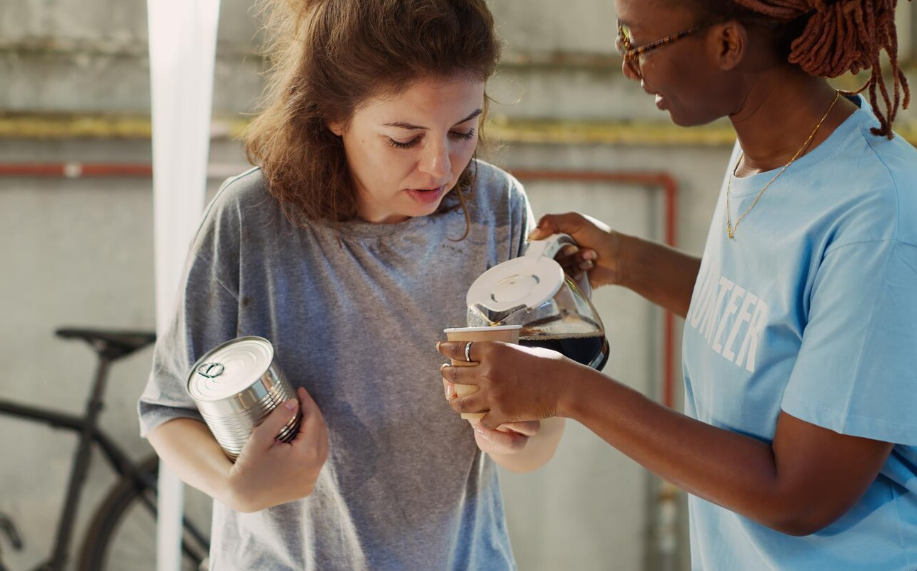
The Power of Informed Compassion
Here's something I've learned that might surprise you: awareness alone doesn't change outcomes, but awareness paired with actionable compassion does. You don't need to be a therapist or have personal experience with addiction to make a meaningful difference in someone's recovery journey.
Start by examining the language you use. Words like "junkie," "addict," or "clean" carry stigma that can prevent people from seeking help. Instead, use person-first language: "a person with substance use disorder" or "a person in recovery." This subtle shift acknowledges their humanity before their condition.
When someone shares their struggle with you, resist the urge to offer quick fixes or tough love speeches. Instead, practice the art of compassionate listening. Ask, "What kind of support would be most helpful to you right now?" This simple question empowers them rather than imposing your assumptions about what they need.
Consider becoming a community advocate by supporting harm reduction initiatives in your area. Harm reduction meets people where they are, prioritizing immediate safety over immediate abstinence. This might include supporting needle exchange programs, advocating for accessible naloxone distribution, or backing policies that treat addiction as a health issue rather than a criminal one.
Educate yourself about the resources available in your community, then share that information generously. Keep the SAMHSA helpline number in your phone. Familiarize yourself with local treatment centers, support groups, and recovery community organizations. When someone expresses readiness for help, having immediate, concrete information can be the difference between action and continued suffering.
Finally, examine your workplace, faith community, or social circles for unintentional barriers to recovery. Are there opportunities to create more inclusive spaces? Can you advocate for recovery-friendly policies? Sometimes the most profound support comes from simply making room for people in recovery to fully participate in community life without shame or exclusion.
Moving Forward Together
Recovery is possible, but it rarely happens in isolation. As we dedicate time to focus on substance abuse disorder treatment, let's commit to more than awareness. Let's commit to action, understanding, and the creation of communities where every person struggling with addiction knows they're worthy of support, treatment, and a future filled with hope.
In my years of practice, I've never met anyone who wanted to become addicted. I've met countless people who wanted to heal, who fought courageously against a disorder that society often misunderstands, and who deserved every bit of support they received and more. This month, and every month, let's honor their courage by being part of their solution rather than their struggle.