
Gambling Addiction Stories
January 02, 2026 in Personal Stories,
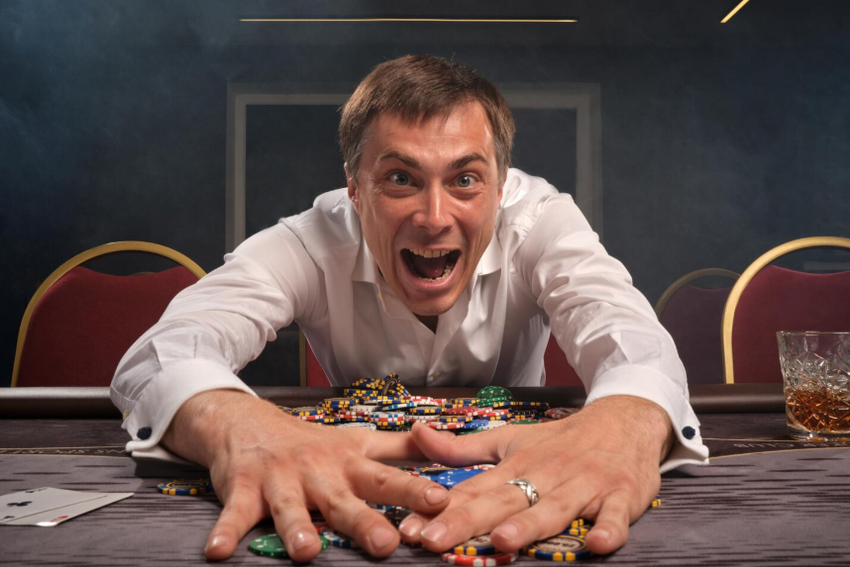
After twenty-three years as an addiction counselor, I've sat across from hundreds of individuals whose lives have been dismantled by gambling. The chairs in my office have held successful businesspeople, college students, retirees, and single parents—all united by the devastating grip of an addiction that society often minimizes. Unlike substance abuse, gambling addiction leaves no physical scars until the damage runs deep. I've watched marriages dissolve, careers crumble, and futures evaporate. What haunts me most is the profound shame and isolation my patients carry, often hiding their addiction for years, believing they could win it all back with just one more bet. These are their stories, shared with permission, in hopes that someone reading might recognize themselves or a loved one and seek help before it's too late.
The Hidden Epidemic: Understanding the Scope
The statistics surrounding gambling addiction reveal how widespread this problem has become:
* Approximately 2 million adults in the United States meet criteria for severe gambling disorder annually, with another 4 to 6 million experiencing mild or moderate problems.
* Problem gamblers face suicide rates up to fifteen times higher than the general population.
* Average gambling debt ranges from $55,000 to $90,000 for men and around $15,000 for women.
* Only about 10 percent of people with gambling disorders ever seek treatment, leaving the vast majority suffering in silence.
Luther: The Trusted Comptroller Who Lost Everything
Luther came to me at fifty-four, referred by his attorney after embezzling $340,000 from the construction company where he'd worked as a comptroller for eighteen years. He'd been the trusted right hand of the owner, a childhood friend who'd given him the job when Luther's previous employer downsized. What started as occasional weekend trips to the casino became nightly online poker sessions, then sports betting throughout every game, every season, every league he could find. Luther described the progression with chilling precision: first he borrowed from his 401k, then maxed out credit cards, then took a second mortgage without telling his wife. When those dried up, he started "borrowing" from company accounts, always planning to replace it before anyone noticed. He'd win sometimes—once even $40,000 in a single night—but it all went back into betting, chasing the high of that win. By the time I met Luther, he'd lost everything: his job, his marriage, his relationship with his adult children who couldn't comprehend how their reliable dad had become a felon. He faced prison time, but what destroyed him more was his fifteen-year-old grandson's question at their last family gathering: "Grandpa, why did you steal?" Luther sat in my office, this gray-haired man in a suit that no longer fit his stress-thinned frame, and wept like I've rarely seen anyone weep.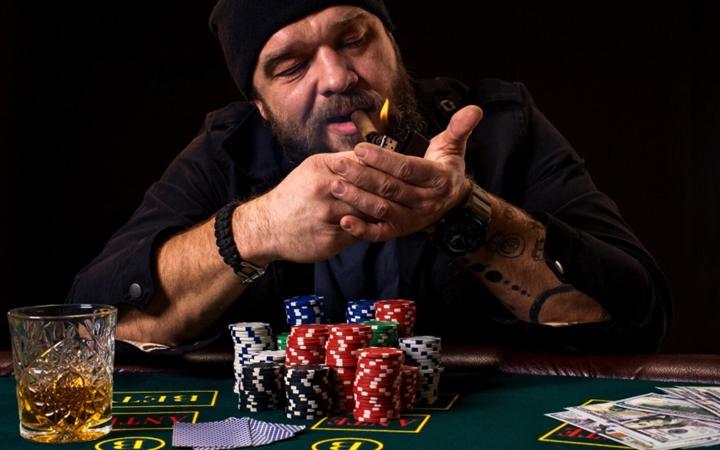
Maria: From Caregiver to Casino Captive
Maria's story began differently but ended in similar ruin. At thirty-two, she was a ICU nurse, the person her family called when they needed help, the aunt who remembered every birthday, the daughter who visited her aging parents twice weekly. Bingo nights at the local church seemed harmless enough—social, fun, supporting a good cause. But when a friend introduced her to the slot machines at a nearby casino, something clicked in Maria's brain. The lights, the sounds, the near-misses that felt like almosts—she couldn't stop thinking about them during shifts at the hospital. Within months, she was calling in sick to spend entire days at the casino. She'd arrive when they opened and leave only when her money ran out, sometimes eighteen hours later, barely remembering to eat. Maria lost her nursing license after showing up to work sleep-deprived and making a medication error that, thankfully, didn't harm the patient. Her parents discovered she'd drained their savings account—they'd given her access to help them pay bills online. The worst part, she told me, was that even after losing her career and betraying her parents' trust, she still dreamed about the slots. The shame of stealing from her elderly parents, who'd immigrated and worked minimum wage jobs their whole lives to give her opportunities, was suffocating her.
James: When a Windfall Becomes a Curse
Then there was James, twenty-seven, who'd received a $200,000 settlement after a car accident left him with chronic pain. Fresh out of college with loans to pay and no clear career direction, he saw the settlement as breathing room. A roommate took him to a casino to celebrate, and James discovered he loved blackjack. He learned strategies, read books, convinced himself he had a system. For a while, he won consistently—enough to believe he could make this his income. He rented a luxury apartment, bought a sports car, picked up tabs for friends at expensive restaurants. When the losses started mounting, he increased his bets to recover faster. The $200,000 disappeared in fourteen months. James borrowed from everyone who'd lend to him, always promising it was temporary, that he had a sure thing coming. He stopped answering calls, avoided places he might run into friends he owed. By the time his parents insisted he get help, James was sleeping in his car, the luxury apartment and sports car long repossessed, and he'd attempted suicide twice. The pain from his accident remained, but now he carried additional weight: the knowledge that he'd squandered what could have been a fresh start.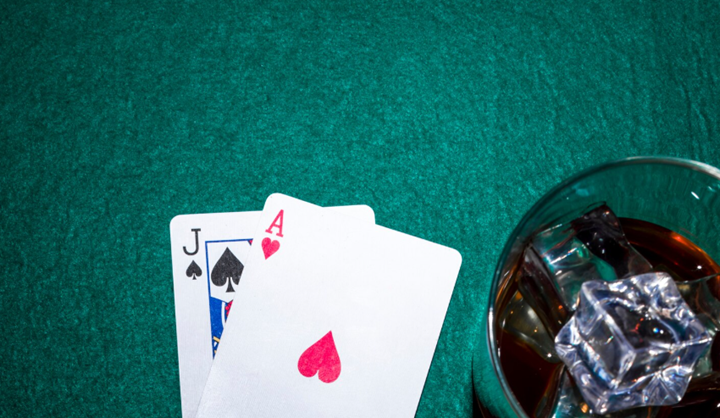
Rebecca: Gambling Away Grief and Loneliness
Rebecca was sixty-eight when her husband of forty-two years died suddenly. They'd been comfortable—not wealthy, but secure. Retirement accounts, the house paid off, modest pensions. Without children, Rebecca found herself adrift in grief and loneliness. A seniors' bus trip to a casino seemed like innocent entertainment, a chance to be around people. The video poker machines became her companion, a place where she didn't have to think about going home to an empty house. Rebecca established a routine: arriving at the casino at ten a.m., playing until evening, eating the complimentary buffet, accepting the free drinks. The casino staff knew her name, treated her like family. It felt good to be somewhere she belonged. Over three years, she systematically gambled away her savings, her husband's life insurance, eventually putting a lien on the house. She'd wake up determined not to go, but by mid-morning, the isolation became unbearable and she'd find herself in the car, driving the familiar route. When the bank finally moved to foreclose, Rebecca's nephew intervened and brought her to treatment. She described gambling not as chasing money but as numbing unbearable loneliness—the machine's lights and sounds filling the void her husband left.
David: The Professor Who Didn't Think It Was Gambling
David's addiction manifested differently than most cases I've treated. At forty-one, he was a high-functioning professional, a university professor with tenure, happily married with three kids. He'd never set foot in a casino, but fantasy sports leagues consumed him. What began as a casual March Madness bracket became daily fantasy football, basketball, baseball—anything he could bet on. He'd spend hours researching statistics, convinced his knowledge gave him an edge. His wife noticed him staying up until three a.m. on his laptop, becoming irritable when interrupted, neglecting family activities. David insisted it wasn't gambling, it was skill-based gaming. He lost $80,000 in two years—much of it their children's college funds—before his wife discovered the extent during tax preparation. What struck me about David's case was his genuine shock that he fit the profile of a gambling addict. He'd convinced himself that because he never visited casinos, because he was wagering on skill-based outcomes, because he was educated and analytical, he was different. His intelligence had actually enabled deeper denial.
Finding the Path to Recovery
If you recognize yourself or someone you love in these stories, please know that help exists and recovery is possible. Gambling addiction is a recognized disorder with effective treatments including cognitive behavioral therapy, support groups like Gamblers Anonymous, and sometimes medication for co-occurring conditions. The National Council on Problem Gambling operates a twenty-four-hour helpline (1-800-522-4700) offering confidential support and referrals. Many treatment centers specialize in gambling addiction, and numerous therapists have specific training in this area. Financial counseling can help address the practical aftermath while therapy addresses the underlying issues. Every person I've described eventually found their way to recovery, though the path wasn't easy and the consequences of their addiction remained. What made the difference was asking for help, accepting the reality of their addiction, and committing to the difficult work of healing. The shame that keeps people suffering in silence is the addiction's greatest ally—breaking that silence is the first step toward freedom.